Showing posts with label leggings. Show all posts

Thursday, 11 April 2013

Maternity tights

-->


Come wintertime, maternity tights are a must for pregnancy legs. Normal tights can get pretty uncomfortable but these specially designed versions will stretch over your bump and don’t dig in at the waistband. You can also get some varieties that claim to support your bump and reduce pressure on your back. (Spanx have a celebrity following but stress mums-to-be should only be wearing their pregnancy range.)
When it comes to “girdles”, we’re not talking scary stomach-holding-in belts, but rather pregnancy support bands. These can help give your bump extra support, which may come in handy if you’re suffering back pain. You can also get maternity vests and knickers with built in bump support that does the job too.


During pregnancy, your uterus and abdominal muscles will stretch to accommodate your growing bump so it is best to avoid tight bands that will cut across your abdomen. 

Support knickers are designed to support your back and abdominal muscles. You can buy special maternity briefs and choose either small knickers that will fit under your bump, or big ones that cover it. However bigger knickers, than your normal size may suffice. Many women just want to throw the pants they wore during pregnancy away once they are returning to their previous body shape. You may not want to waste loads of money on expensive pants. 

During pregnancy natural fibres, such as cotton are better for you than synthetic fabrics. 

There are differing opinions on what to wear immediately after birth. Some new mums find disposable maternity knickers are ideal for wear after the birth. Others prefer to save their old knickers and then throw them away. 

Support hosiery helps prevent varicose veins, and aching legs, and can be especially useful if you are on your feet a lot. Support tights are designed to fit throughout pregnancy, with a shaped foot & gusset. An alternative is to buy a larger size than normal.

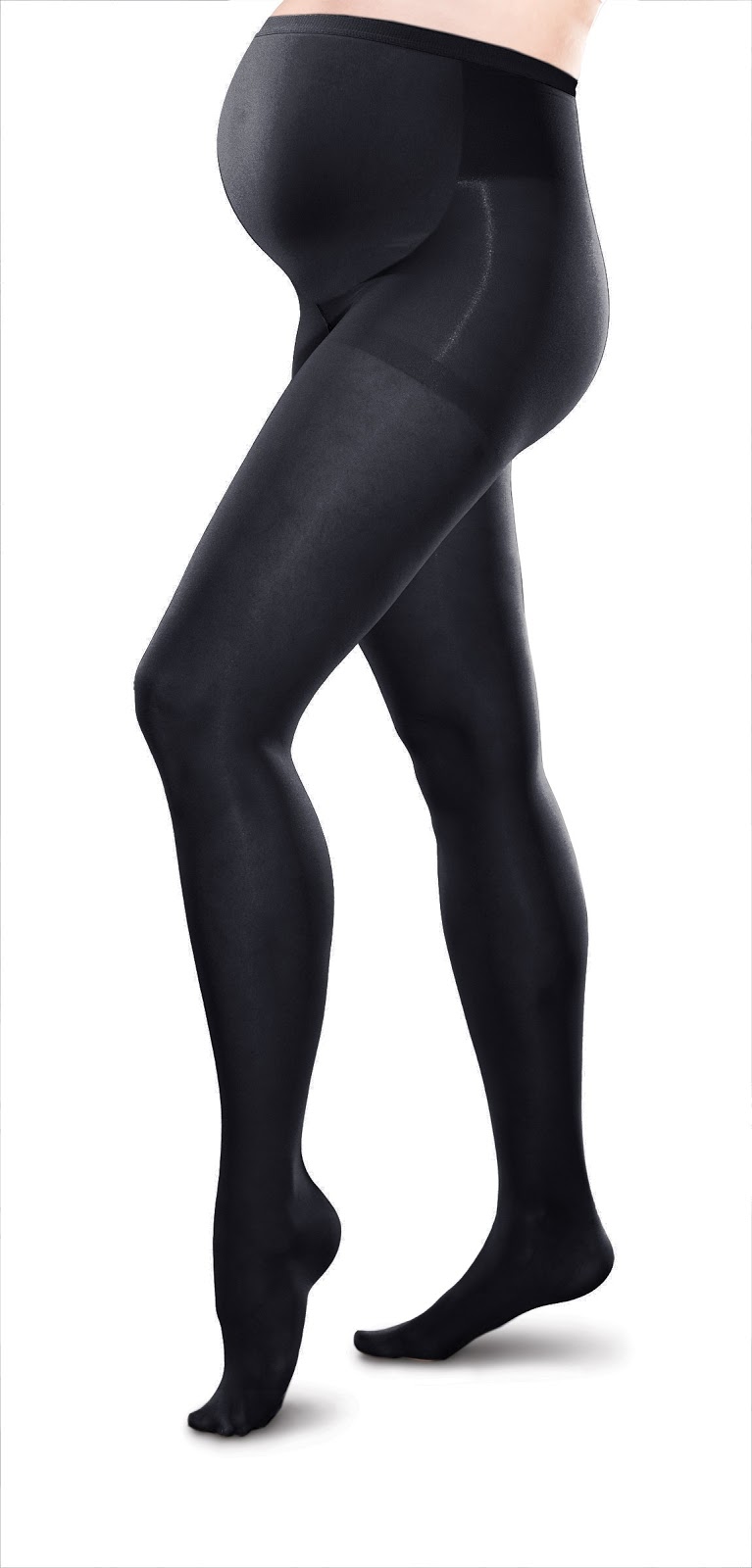
 These black maternity tights of the label Formes are very soft to the skin. They have been developed in order to be agreeable to wear to any occasion. The hazy look of these 15 deniers tights shapes and refines the legs for a glamorous effect. The seams and the special cut enable you to wear these tights throughout pregnancy without it cutting into the belly. The soft elastic of the Lycra procures you optimal comfort. Produced in France, of excellent quality, the maternity tights by Formes are THE basic to have in your wardrobe all year round.

These plum 20D maternity tights are elegant and provide your outfits with a retro touch. They refine and enhance the legs of the future mother and guarantee optimal comfort. These stretch microfiber maternity tights have soft seems and an evolving bandeau that adapts to the evolution of the belly. In light stitches, it is ideal to wear mid-season and in the summer. These 20D maternity tights are a basic looked after by pregnant women because it can be worn with anything, to any occasion and enhances the legs.


Matt black opaque maternity tights, made from super soft microfibre. Opaque tights are a maternity wardrobe essential, perfect for getting more wear out of skirts in cooler weather, or if you would just rather not show off your legs (and lets face it, sometimes shaving legs sometimes goes into the too hard basket during late pregnancy!) These oh-so-comfortable tights can be pulled up over your bump, and will not slip down. You will want to keep wearing them long after your pregnancy, which is fine, because they will still fit beautifully!


Maternity tights & socks at mothercare have been specially designed with ultra comfortable wider waist bands, front panels that expand with your body for a perfect fit throughout pregnancy. Our  tights have a special finish to help regulate your body temperature. Our support tights help minimize stretch marks, swollen ankles, water retention and improve circulation. During the warmer months we also offer  tights and for the colder months, we have some lovely bed socks in our maternity tights and socks range.


These amazing maternity tights are designed to provide the ultimate in comfort, fit, style and health for your lower body. Graduated leg compression effectively soothes and prevents ankle swelling and water retention while treating varicose and spider veins, a high risk during and after pregnancy. Expandable soft tummy control with its special built-in abdominal support gives excellent support and added protection to your growing belly. Glamorous lace thigh support. Gentle comfort waist-band. Exclusive cotton soles are designed to give added massage and relief to the feet. Cool cotton hygienic gusset. 78% Nylon 20% Spandex 2% Cotton


Spanx delivers a cradle of comfort to expecting mums! These soft, supportive pantyhose feature a non-binding waistband and under belly support for you and your bump.


Maternity outfit


Maternity hosiery and pregnancy leggings will support your bump and keep you covered under dresses and tunics


Business suits for pregnant women


Once you begin to show your baby bump you may well need to invest in a good quality business suit. Laura, one of our customers, who works in the city, meeting high profile clients, told us During my current pregnancy I prefer a suit jacket with skirt as I feel more feminine and professional, she says. Maternity skirts, I find them more comfortable for me, personally, because my bump is growing quickly.


MATERNITY DRESSES
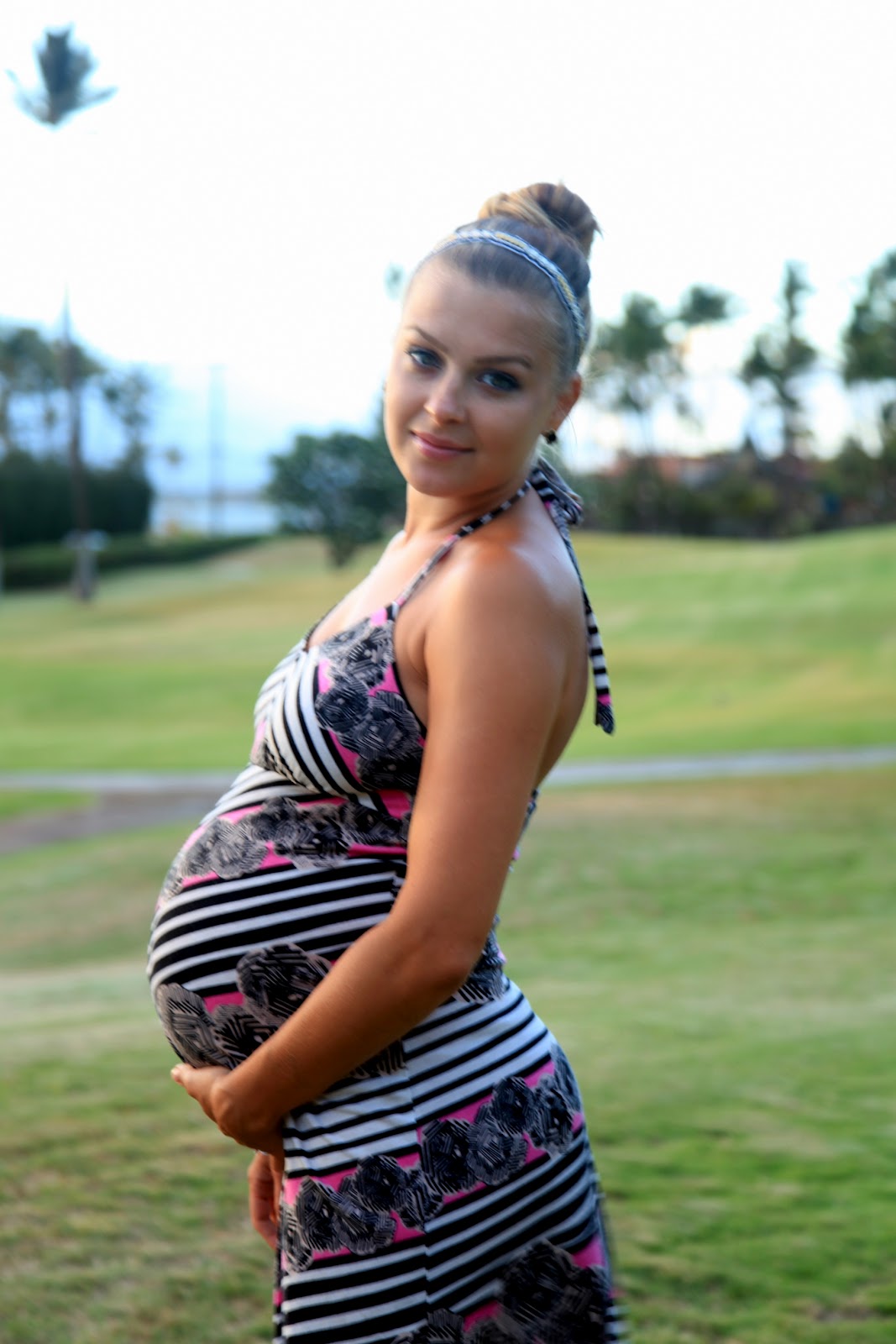


Maternity Dresses - Fashion

 We have a selection of smart work, stylish evening and comfortable casual day wear frocks. An expectant mother's body will change shape as the months pass. How to dress for pregnancy? With an extensive choice of clothes available, mums-to-be can keep looking stylish throughout their nine months and beyond with fashionable, comfortable, designer, perfect fit maternity dresses.


Maternity Work Dresses

Every professional expectant woman needs to experience sartorial liberation while pregnant. Our work clothes are the latest designer inspired fashion from the catwalk. It is time to banish boring, boardroom, basic styles and bring a little personality to your office maternity style.


Cardigan: Witchery
Dress: Banana Republic
Tights: Hue
Flats: Ninewest
Necklace: Random charms from my childhood


Dress: Old Navy;  Shirt: Ross;  Necklace and tights: f21;  Boots: Sears


Dress: Country Road 
Cardigan: Portmans
Scarf worn as belt: Vintage from my MIL
Gum Boots: Random brand from TJ Maxx
Headband: Made by me
Tights: from a small dance store


Dress: Anthropologie | tights: American Apparel | Ankle Flats: Tobi | Necklace: Forever21| Bracelet: Threadsence


Maternity Skirts


 How to dress well while pregnant? How to wear maternity skirts? Which designer pregnancy skirts to choose? You are thrilled about having a baby. But you are less than excited about the prospect of giving up your stylish skirts in favour of baggy tents to cover your baby bump! Fear not, with a few simple additions to your designer wardrobe you will be very much a fashionista mum-to-be! Whether it is an A-line, pencil pregnancy skirt, straight skirt or maxi, you are looking for in maternity clothes fashion when pregnant

Pregnancy Work Skirts


Dressing for work when you are pregnant. For the first three months or so of your pregnancy, you'll probably be able to wear your regular work wardrobe. However, to avoid that awkward situation of leaving your button undone, or the anxiety of your work skirt pressing too much on your growing baby bump, this is the time to select your pregnancy work wardrobe


-->
Pic of the day
Claudia Schiffer


-->

Sunday, 31 March 2013

Tights in vintage fashion


The history of tights
Up until the 18th Century tights were worn by men.


Women wore stockings held up by garters just above the knee.


At the start of the 20th Century women's silk stockings were held up by suspender belts.


In 1920 the first man made fibre Rayon was invented.
Nylon (polyamide) was invented in 1937 by Wallace Carruthers and nylon stockings first went on sale in 1939.
In 1957 Bear Brand started manufacturing nylon tights for use in the performing arts and for children, but the adult public were not interested in them. Making them in the 'fully fashioned' was costly - knitted in flat pieces and sewn together at the back of the leg. The invention of circular knitting enables the production of stockings without a back seam and reduced production costs.
Seam free stockings became more common in 1958.
Lycra was invented in 1959.
Mary Quant started producing tights in 1965. By 1967 the mini skirt became fashionable and so stockings and suspenders became less popular. There was a huge and sudden demand for tights. Some manufacturers simply sown stockings on to nylon panties! Tights were seen as a leg covering and most were produced in natural shades to give the appearance of suntanned legs.
1967 saw the introduction of one size stockings and hold-ups. "Pop-sox" or knee highs were first sold in 1968.
The 1970's saw the introduction of coloured and then patterned tights. Dior produced 101 different colours of unpatterened sheer tights. There were small dots, big dots, heart shapes and fake seams on sheer tights. In 1984 Lady Di was seen wearing tights with a bow motif on the ankle and a fashion craze followed.
The addition of Lycra to the yarn in 1972 made better fitting tights.

tights before and after Lycra

Later on by adding more Lycra to the panty manufacturers were able to make control-top and slimming-type tights.
By 1973 tights accounted for 75% of the hosiery market, and by 1983 over 90%. Then manufacturers started to market stockings as a more luxurious/sexy item and by 1989 stockings were 18% of hosiery sales.
American football player Joe Namath appears in a pantyhose advertisement in the early-1970s.
In the mid 1980s opaque tights became popular followed by leggings/footless tights. Originally opaques were popular for winter wear, with ribbed and woolen tights. Later velvet opaques, shiny opaques and then textured opaques were produced.
Ultra sheer tights 5 and 7 Denier were introduced in 1989.
In the 1990s coloured and patterned tights went out of fashion. Black opaque, black sheer and natural coloured sheers dominated the market. Glossy sheers became more popular in the later 1990s, with Pretty Polly marketing a Nylons range with nostalgic advertising.
Seam-free tights were developed in the mid-1990s, with both legs and the body knitted in one piece with no seams and then a hole was cut for the addition of the waist band. 


                                  50's


Nylons or Stockings

If you have never worn the stocking of the 1950s you will experience a sensuous moment when you slide them onto your legs.  Stocking in the 1950s felt different.  They were fine and cool and silky to the touch.  They felt like the height of luxury as if you were about to give your legs a beauty treatment just by wearing them.
Unlike pantyhose tights which are sized small, medium, large, extra large etc., 50's stockings came in foot sizes.  To find your size to wear flat fully fashioned seamed stockings measure the length of your foot.  If it measures 9 inches long, a size 9 would suit you, but if you have fatter legs a larger size may be better.
I recall though that the largest stocking size you could buy was an 11.  This was all very well if you had slender legs, but for those poor souls with larger legs the width of the stocking was taken up by the fatter leg and so the stocking did not go so far up the leg as it might on a tall slim leggy woman. This was never much trouble for most people, but lumps of fat could hang over stocking tops and often did.  It was not necessary to have a much fatter leg to develop the thigh bulge.  But the main problem for most people occurred when skirts gradually shortened in the 1960s and stocking tops were seen as ugly and giving an overall poorly groomed fashion look.  That is when tights really developed for the masses.
Stocking sizes ranged from size 8 to size 11 going up in half sizes.  The fit varied from brand to brand, but fully fashioned seamed stocking were well shaped on the foot and heel although the yarn used was not stretchy and sometimes a little bagging could happen so that fine wrinkles appeared. It was essential to either check your seams were straight using a back mirror or get a sister or friend to tell you nothing was crooked.
Better brands made longer stocking lengths and by the end of the decade more people wore the newer seamless stockings first introduced in 1952, but slow to capture the public's affection.  Once yarns with better cling were introduced they were seen more and more.


                                  60s


Death of Stockings

What made the mini really acceptable was the introduction of pantyhose known mostly today as tights.  It was hard to wear a mini dress with stockings and feel confident, but with tights there was protection from the elements and no unsightly glimpse of stocking tops.  Stockings died in the mid 1960s and were only revived as leg wear in the 1990s or else kept for the bedroom.

Pantyhose

When tights were first introduced in the 1960s it liberated women from girdles, roll-ons andsuspender belts. It's difficult to know which came first the skirt or the tights, but the introduction of seamless stockings had started the tights revolution. What is certain it is unlikely the one could have existed without the other as no groomed young lady ever went out bare legged then.
A pair of Wolsey tights cost about £1 in 1965 and with careful daily washing they could be made to last a month. Marks and Spencer was soon churning out lower cost versions. Obviously planned obsolescence has been introduced since then for all brands, as most of us now find it difficult to make them last for more than a day or two's wear.
Tights in the late 60s were often patterned with arrangements of diamonds or other motifs and a favourite colour of the era was a golden brown called American Tan.  Fishnet tights were also popular briefly.  Lurex glitter tights in gold or silver were a hit for the Christmas period.


Christian Dior: 60s


                                                                     70s


For those who still liked to show a leg, it became tasteful in the early 70s to wear creamy white tights with black patent shoes.

Trousers and trouser suits were serious fashions in the 1970s.
Pants began gently flared and reached wide bell bottom proportions by about 1975. After which they slowly reduced to straight and wide until by the end of the seventies they were finally narrow again. Popular fabrics included heavy crepes, wool jersey knits, Courtelle jersey and woven Polyester suiting such as Trevira.  Emerald green, apple green and bottle green were all favoured fashion colours of the early 1970s.
Right - Green trouser suit pattern of 1971. This style of trouser suit with a hip length tunic, was very typical of fashion trends of 1971 and 1972.
Farrah Fawcett Major and her actress colleagues of the series 'Charlie's Angels' helped popularise not only flared trousers, but also a rough cut hairstyle  which demanded constant use of tongs, or heated rollers to make the hair flicks.  Many women kept spare electric curling tongs or heated rollers at work, to maintain the flickups in Farrah style.
Tights sales plummeted when some women chose to wear pop socks beneath trousers. Heavy crepes used to make wide legged trousers often emulated the Chanel trousers of the 1930s. They were worn with small knitted short vests or scoop neck tank tops. Waistcoats were popular in any length from traditional, to hip length to maxi.


                                                              80s


By the 1980s, patterned tights returned, but now they were spotted or delicately textured lace, striped or enhanced with embellishment such as a flock flower, embroidery or diamante at the ankle. In the mid to late 80s, coloured tights sheer, opaque or solid that toned and matched coordinated shoes could be seen everywhere.  Vaguely Black sheer tights were worn with power suits through the eighties.


Chanel Ad's 1980s


-->


Louis Feraud 1980s


90s


In the late 80s and early 90s the stocking with lace top holding itself up was suddenly noticed to be more erotic than a pair of tights. Leggings were a common sight in the early 90s and continued to be worn well past their sell by date in the privacy of homes.
By the early 1990s the only tights to wear with the short skirt of the time was black and opaque. By the late 90s the bare nude look leg was in vogue and natural toned tights were acceptable again. Many younger women simply abandoned tights altogether preferring the totally natural leg. Never before frowned upon until the nineties, the biggest faux pas was to wear tights with open strappy sandals.
At the same time many variations of tights came into the shops. These could range from soft and sheer to shiny, support or bare effects. Wearing tights still remains correct for business wear and it's best to avoid bare legs for any occasion unless the legs are silky smooth and fuzz free.  


-->


-->